


Blog
Category: Technical
From Safety Testing to Documentation: Building a Drug Master File That Speeds Approval
Published on Dec 2, 2025 Share

Regulatory documentation is often a critical bottleneck on the path from therapeutic discovery to market. Every reagent, buffer, and consumable used in manufacturing must be accounted for, and incomplete records can delay Investigational New Drug (IND) approval. In cell therapy manufacturing, this is especially true for ancillary materials—the reagents and materials that come into contact with patient-derived cells during isolation, activation, and expansion. Although ancillary materials are not part of …
Ancillary Materials in Cell Therapy Manufacturing
Updated on Dec 2, 2025 | Published on Nov 30, 2025 Share

In cell and gene therapy manufacturing, understanding each raw material input is critical to patient safety and therapeutic success. Ancillary materials (AMs) are the reagents, buffers, and biologic process aids used during cell manipulation, purification, and expansion. Although they do not remain in the final product, AM quality directly impacts consistency, safety, and regulatory approval. As manufacturing scales from discovery to commercialization, qualifying these materials appropriately can mean the difference …
Minimize Sample Manipulation to Protect Fragile Cells
Updated on Sep 30, 2025 | Published on Sep 29, 2025 Share

When working with fragile cell types—like stem cells, regulatory T cells, or other rare populations—every extra handling step can make the difference between a healthy, functional sample and one that fails downstream. Processes such as repeated centrifugation, pipetting, or exposure to harsh conditions often introduce unnecessary stress and risk. This article takes a closer look at why minimizing manipulation is so important, the challenges posed by traditional methods, and how …
GMP Cell Therapy Kits Deliver Translation-Readiness
Updated on Sep 30, 2025 | Published on Sep 29, 2025 Share
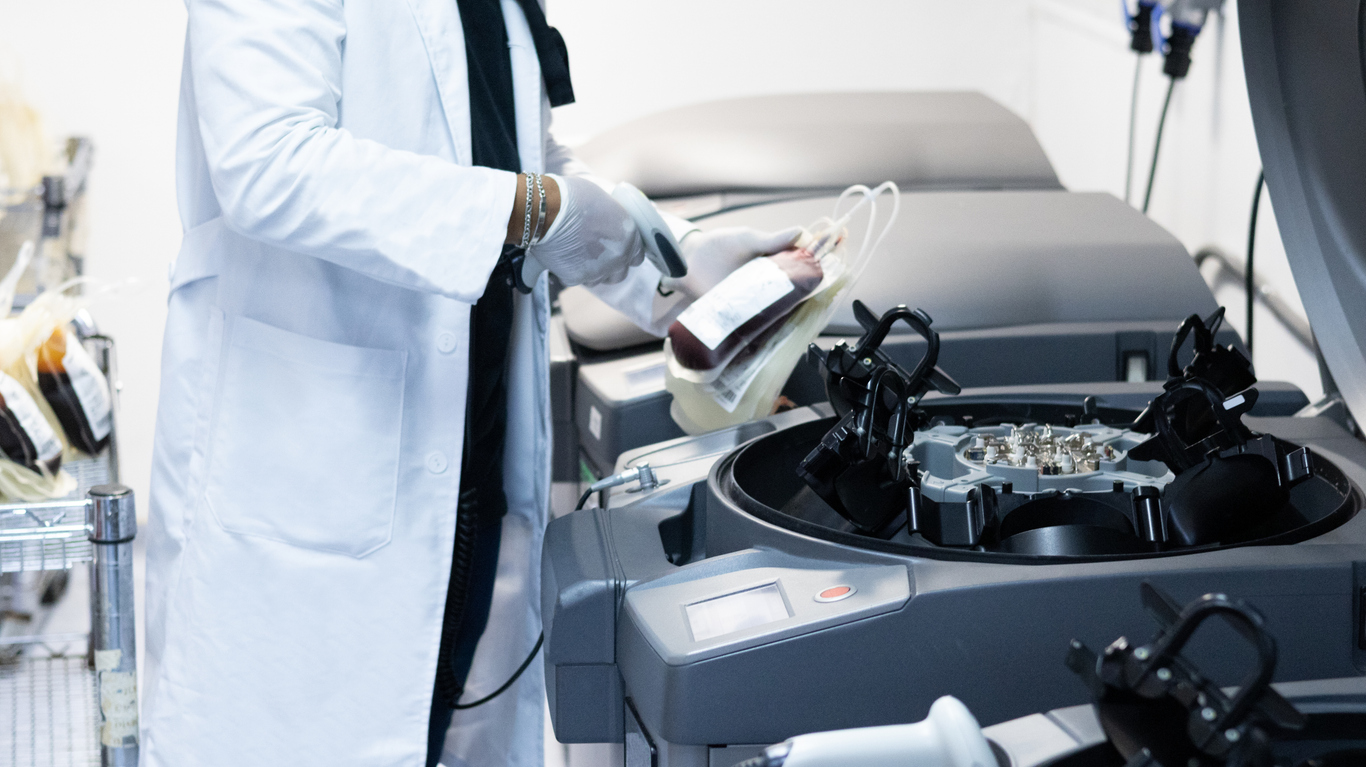
The rapid rise of cell therapies is transforming how we treat disease. However, every step from discovery to clinical application must meet rigorous quality and regulatory standards to deliver safe and effective treatments. One critical piece of the workflow is cell separation: isolating or depleting specific immune cell types with precision, speed, and reliability. But as companies advance toward clinical trials and commercialization, not just any kit will do. So …
Achieve Gentle Mouse Naïve Cell Isolation Using Akadeum’s Microbubble Naïve Mouse Kits
Updated on Sep 23, 2025 | Published on Dec 7, 2024 Share
In working with biological samples for life science research, sample preparation is a critical first step to isolate the specific cells of interest from a complex mixture. This is especially true when looking to isolate rare cells of low abundance, and it is critically important when working with delicate cell types that the sample preparation method used for cell isolation is exceptionally gentle so that it does not interfere with …
The Power of T Cell Clonal Expansion
Updated on Aug 20, 2025 | Published on Nov 14, 2024 By Jason Ellis, PhD Share
Clonal expansion is the process of rapid cell division resulting in the multiplication of genetically identical cell clones from a single parent cell. In immunology, clonal expansion is a critical process that allows the immune system to produce large numbers of T cells to fight infections. This exponential growth provides a robust concentration of specific genetic material that aids immune and developmental processes. Clonal expansion replaces damaged or worn tissues …
Different Types of T Cells and Their Functions
Updated on Aug 20, 2025 | Published on Nov 8, 2024 Share
T cells, or T lymphocytes, are a critical component of the immune system, with several different types playing unique roles in defending the body. The main types of T cells include helper T cells, cytotoxic T cells, regulatory T cells, and memory T cells, each specialized to recognize and respond to various pathogens. These cells mature in the thymus and are released into the bloodstream as naïve T cells, prepared …
Why Separate Peripheral Blood Mononuclear Cells
Updated on Aug 20, 2025 | Published on Nov 1, 2024 By Jason Ellis, PhD Share
PBMC isolation separates peripheral blood mononuclear cells from other components in the blood, enabling their use in research and therapeutic applications. Within the human body, a sophisticated network of cells orchestrates the complex immune response against harmful pathogens and cancerous cells. Peripheral blood mononuclear cells (PBMCs), including lymphocytes (T cells, B cells, and NK cells) and monocytes, are vital in mediating the body’s immune system. They are also key starting …
Necrosis Vs. Apoptosis: Processes, Necrotic Cell Death, & Apoptosis Steps
Updated on Aug 20, 2025 | Published on Jul 23, 2024 Share
Necrosis and apoptosis are the two main types of cell death in the body. Necrosis is often a result of injury leading to uncontrolled cell death, while apoptosis is a programmed and orderly process. Each of these involves a unique process and has different effects on the rest of the body. Understanding these differences is crucial for researchers and clinicians in developing treatments for various diseases. Read on to delve …
What Is PBMC? Human PBMC Cells, PBMC Composition, and Immune Cell Processing
Updated on Aug 20, 2025 | Published on Jul 23, 2024 Share
Peripheral Blood Mononuclear Cells Peripheral blood mononuclear cells (PBMC) are crucial immune system cells that protect the body against harmful pathogens. Human PBMCs include T cells, B cells, NK cells, monocytes, and dendritic cells. These cells are essential in immune response and are often used in research and clinical applications due to their versatility. Located in peripheral blood, these cells act as a primary defense against infection and disease, making …